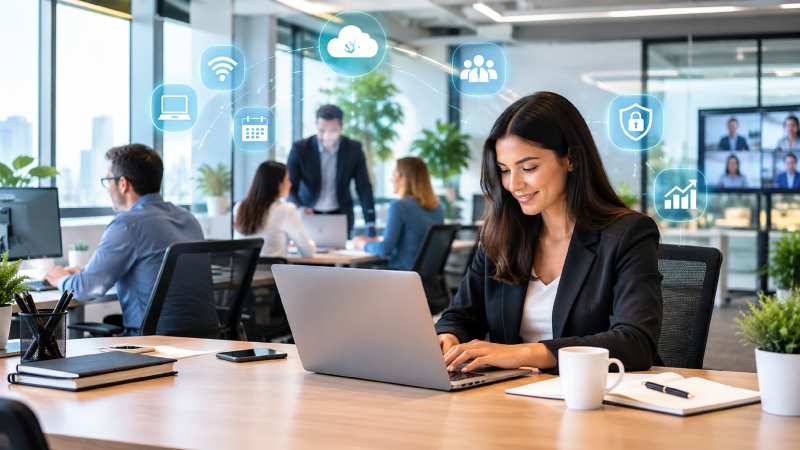
The modern workplace is changing faster than ever. New technologies, flexible working arrangements, digital communication tools, and evolving employee expectations are transforming how organizations operate. For professionals, business owners, and employees, staying informed about these developments can make it easier to understand the direction of the working world.
The concept of office avstarnews can be viewed within this broader environment of workplace information, digital trends, business developments, and modern office culture. Understanding these areas can help professionals recognize important changes and make more informed decisions about productivity, communication, technology, and career development.
The Changing Nature of the Modern Office
Traditional offices were once built around fixed schedules, assigned desks, paper documents, and face-to-face meetings. Although these practices still exist in many organizations, technology has introduced new ways of working.
Cloud-based applications allow employees to access important files from different locations. Video conferencing makes communication possible between teams in different cities or countries. Project management platforms help employees organize assignments, deadlines, and responsibilities without relying entirely on physical meetings.
These developments have made the modern office more flexible. At the same time, they have created new challenges. Employees must learn how to manage digital communication, protect sensitive information, and maintain productivity while working across multiple platforms.
Why Workplace Information Matters
Reliable workplace information can help people understand changes that affect their professional lives. Employees may want to learn about emerging technologies, changing business practices, career trends, or developments in office culture.
Business owners and managers can also benefit from staying informed. Understanding current workplace trends can help organizations review their policies and identify opportunities to improve efficiency.
For readers interested in office avstarnews, the most useful information is not simply a collection of headlines. Valuable workplace content should provide context and explain why a particular development matters.
For example, an article about artificial intelligence becomes more useful when it explains how AI may affect everyday tasks, employee responsibilities, data security, and productivity. Similarly, coverage of remote work is more meaningful when it considers both its advantages and potential difficulties.
Technology’s Role in Today’s Workplace
Technology is one of the biggest influences on modern offices. From communication platforms to automated systems, digital tools are now involved in many everyday activities.
Cloud Computing
Cloud computing allows organizations to store and manage information through internet-based systems. Employees can collaborate on documents, access files, and use business applications without depending entirely on a single physical computer.
This approach can also support remote and hybrid work. However, organizations need appropriate security measures to protect information stored online.
Artificial Intelligence
Artificial intelligence is increasingly being used to support workplace activities. It can assist with tasks such as drafting documents, analyzing information, organizing data, answering routine questions, and automating repetitive processes.
AI does not necessarily replace every human task. In many situations, its greatest value comes from helping employees complete routine work more efficiently so they can focus on tasks requiring judgment, creativity, communication, and problem-solving.
Digital Communication
Email remains important, but modern workplaces also use instant messaging, video calls, shared workspaces, and collaboration platforms.
These tools make communication faster, but excessive notifications can also become distracting. Companies therefore need to establish sensible communication practices so employees can remain connected without being overwhelmed.
The Growth of Remote and Hybrid Work
Remote and hybrid working models have become important parts of modern employment. Instead of requiring every employee to work in the same physical location every day, organizations may allow employees to work remotely for some or all of their schedule.
Remote work can offer flexibility and may reduce commuting time. It can also help organizations recruit talent from a wider geographical area.
However, remote work is not automatically successful. Employees need reliable technology, clear expectations, effective communication, and suitable working environments.
Hybrid work can create additional complexity because teams need to coordinate which days employees are physically present. Managers must ensure that remote employees are included in meetings and important conversations rather than being unintentionally excluded.
Creating a Productive Office Environment
A productive office environment involves more than providing computers and desks. Workplace design, communication, management practices, and employee well-being can all influence performance.
An effective office should make it reasonably easy for employees to concentrate, collaborate, and access the resources they need.
Comfortable Workspaces
Ergonomic furniture, appropriate lighting, and suitable temperatures can contribute to employee comfort. Small improvements to the physical environment may make long working periods more manageable.
Areas for Collaboration
Some tasks require teamwork and discussion. Dedicated meeting spaces or collaborative areas can make group activities easier.
Quiet Spaces
Other responsibilities require concentration. Providing quieter areas can help employees work on complex tasks without constant interruptions.
A balanced workplace therefore provides different environments for different types of work.
The Importance of Cybersecurity
As offices become increasingly digital, cybersecurity has become an essential business concern. Organizations handle sensitive information such as customer details, financial records, employee information, and internal documents.
Basic security practices can significantly reduce certain risks. Strong passwords, multi-factor authentication, software updates, secure networks, and employee awareness are important components of a security strategy.
Employees should also be cautious about suspicious emails, unexpected attachments, and unfamiliar links. Human mistakes can create security vulnerabilities, which is why cybersecurity education should be part of workplace training.
Information about office avstarnews and related digital workplace developments should therefore consider cybersecurity as an important part of modern office management.
Employee Well-Being and Workplace Culture
Technology and productivity are important, but employees are also central to an organization’s success. A workplace culture that ignores employee well-being can eventually experience problems with morale, engagement, and retention.
Healthy workplace cultures generally encourage respectful communication, reasonable expectations, professional development, and constructive feedback.
Managers have an important role in creating this environment. They can help employees understand their responsibilities, recognize good performance, and address problems before they become more serious.
Well-being does not mean eliminating every source of workplace pressure. Instead, it means creating an environment where employees have reasonable support and resources to manage their responsibilities effectively.
Professional Development in the Digital Age
The rapid development of technology means that professional skills can become outdated more quickly than before. Employees who continue learning may be better prepared for changes within their industries.
Professional development can include formal courses, industry certifications, workshops, mentoring, reading, or practical experience.
Digital skills are particularly valuable. Employees may benefit from understanding data analysis, collaboration software, cybersecurity principles, artificial intelligence, or other technologies relevant to their roles.
Soft skills remain equally important. Communication, leadership, adaptability, critical thinking, and teamwork cannot be replaced by technology alone.
How Businesses Can Adapt to Workplace Changes
Businesses do not need to adopt every new trend simply because it is popular. Instead, they should evaluate whether a particular development supports their objectives.
Before introducing new technology, managers can consider several questions:
- What problem will the technology solve?
- Will employees need training?
- How much will implementation cost?
- Does it improve efficiency or customer service?
- What security risks could it create?
- How will success be measured?
This practical approach can prevent organizations from spending resources on tools that provide little meaningful benefit.
Businesses should also communicate changes clearly. Employees are more likely to adapt successfully when they understand why a new system or policy is being introduced.
The Value of Reliable Digital Information
As the amount of online information continues to increase, readers need to distinguish useful reporting from unreliable claims. Not every workplace trend reported online represents a long-term change.
When evaluating information, readers should consider the source, supporting evidence, publication date, and context. Statistics should be interpreted carefully, and dramatic claims should be treated with appropriate skepticism.
This is especially important when reading about technology, employment, business performance, or emerging workplace practices.
Readers exploring office avstarnews topics should focus on information that provides practical context rather than simply repeating attention-grabbing claims.
Future Trends in Workplace Management
The future office is likely to continue evolving. Artificial intelligence, automation, cloud computing, cybersecurity, and flexible work arrangements are likely to remain important areas of discussion.
Automation may handle more repetitive administrative responsibilities, allowing employees to spend additional time on higher-value work. At the same time, organizations may place greater emphasis on skills that technology cannot easily reproduce.
Workplace design may also change. Offices could increasingly become spaces designed primarily for collaboration, meetings, creativity, and social interaction rather than individual desk-based work.
Data may play a larger role in workplace decision-making as organizations seek to understand productivity, employee preferences, and operational performance.
Conclusion
The modern office is no longer defined simply by desks, computers, and scheduled working hours. It is a connected environment influenced by technology, changing employee expectations, flexible work models, cybersecurity, and continuous professional development.
The broader idea behind office avstarnews reflects the importance of understanding these developments and considering how they affect employees and organizations. Staying informed can help professionals make better decisions about technology, productivity, workplace culture, and career growth.
Ultimately, successful workplaces will be those that combine technology with human judgment. Digital tools can improve efficiency, but people remain responsible for creativity, leadership, ethical decisions, collaboration, and meaningful relationships. By keeping up with workplace developments while maintaining a practical and balanced approach, organizations and employees can prepare more effectively for the future of work.